4. Analyze Your Competition
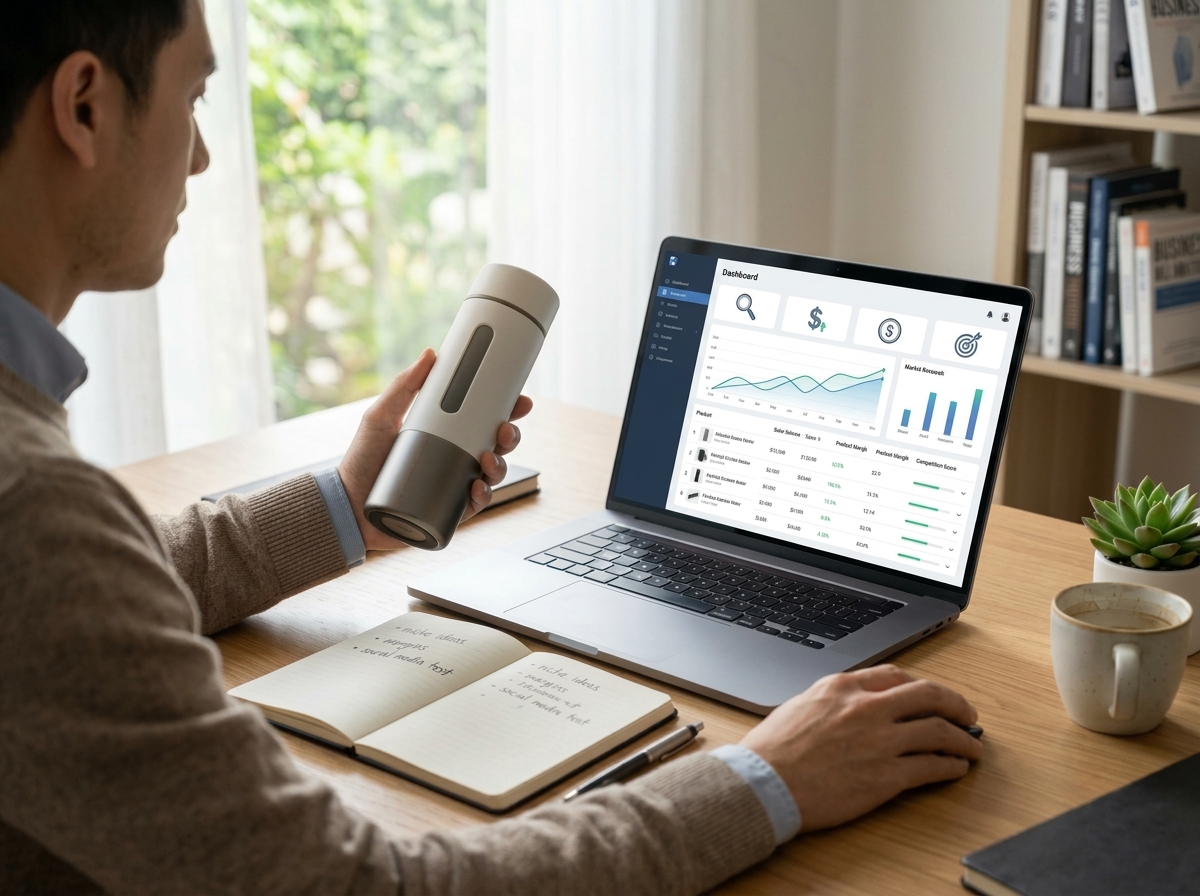
Competition isn't necessarily a bad thing. If multiple businesses are selling a product, it may indicate that customers are already buying it.
However, you need to understand how you can compete.
Look at:
Product pricing
Product quality
Reviews
Product images
Descriptions
Shipping options
Customer service
Brand presentation
Marketing strategy
Ask yourself:
What can my store do better?
You might compete through better content, stronger branding, better customer support, product bundles, or a more convenient buying experience.
5. Calculate Your Potential Profit Margin
A product can generate many orders and still be a poor business opportunity if the profit margin is too small.
Consider all of your costs:
Product Cost + Shipping + Payment Fees + Advertising + Platform Costs + Other Expenses
For example:
If you sell the product for $35, the estimated difference is $12 before any additional business expenses.
Always calculate your actual costs before deciding on your selling price.
6. Consider Shipping and Product Size
Shipping can have a major impact on customer satisfaction and profitability.
When researching products, consider:
Product weight
Product dimensions
Shipping destination
Delivery time
Tracking availability
Packaging requirements
Shipping cost
Small and lightweight products can sometimes be easier to handle than large or fragile products.
However, don't automatically reject larger products. If the product has strong demand and sufficient margins, it may still be worth testing.
7. Check Supplier Reliability
Your customers will judge your store even when a supplier is responsible for fulfillment.
Before promoting a product heavily, investigate your supplier's:
Product quality
Stock availability
Processing time
Shipping performance
Tracking information
Return policy
Communication
Order accuracy
If possible, order a sample product yourself. Experiencing the purchasing and delivery process can help you identify potential problems before your customers do.
8. Look for Products With Marketing Potential
Some products are easier to demonstrate than others.
Products that can be shown through:
Before-and-after demonstrations
Tutorials
Product comparisons
Problem-and-solution videos
Unboxing videos
Short-form videos
Customer-generated content
can provide more opportunities for organic and paid marketing.
Think about how you would advertise the product before adding it to your store.
If you cannot explain why someone should buy the product in a few seconds, you may need to research it further.
9. Test Products Before Scaling
Don't assume that every product will become successful.
A better approach is to test a small number of products, measure the results, and then focus more resources on products that perform well.
Track metrics such as:
Product page visits
Add-to-cart rate
Conversion rate
Advertising cost
Sales
Profit margin
Refunds
Customer feedback
Use real performance data to decide which products deserve more investment.
10. Keep Your Product Catalog Focused
Adding thousands of products doesn't necessarily make a dropshipping store better.
A focused catalog can make your website easier to navigate and can help create a stronger brand identity.
For example, instead of selling unrelated products across dozens of categories, build a store around a specific customer type or lifestyle.
This can make your marketing and content strategy much easier.
Common Product Research Mistakes
Choosing Products Only Because They Are Trending
A temporary trend doesn't always translate into a sustainable business.
Ignoring Profit Margins
High sales volume doesn't guarantee profitability.
Copying Competitors
Competitor research is useful, but simply copying another store makes it difficult to build a unique brand.
Ignoring Supplier Quality
A poor-quality product can lead to refunds, negative reviews, and unhappy customers.
Testing Too Many Products at Once
Testing a manageable number of products makes it easier to understand what's actually working.
Final Thoughts
Finding winning dropshipping products is a process rather than a one-time task. Successful sellers continuously research markets, monitor customer behavior, test products, and improve their stores.
Start with a specific niche, identify products that solve real problems, calculate your potential margins, evaluate suppliers, and test your ideas before scaling.
Platforms such as Nacify Dropship can help simplify the product sourcing and dropshipping workflow, allowing sellers to spend more time researching opportunities, building their stores, and marketing their products.
The best product isn't necessarily the one that is trending today. It's the product that combines customer demand, competitive potential, reliable fulfillment, and a healthy business margin.